

Hotel Facility Engineering Infrastructure: Comfort, Automation, and Security
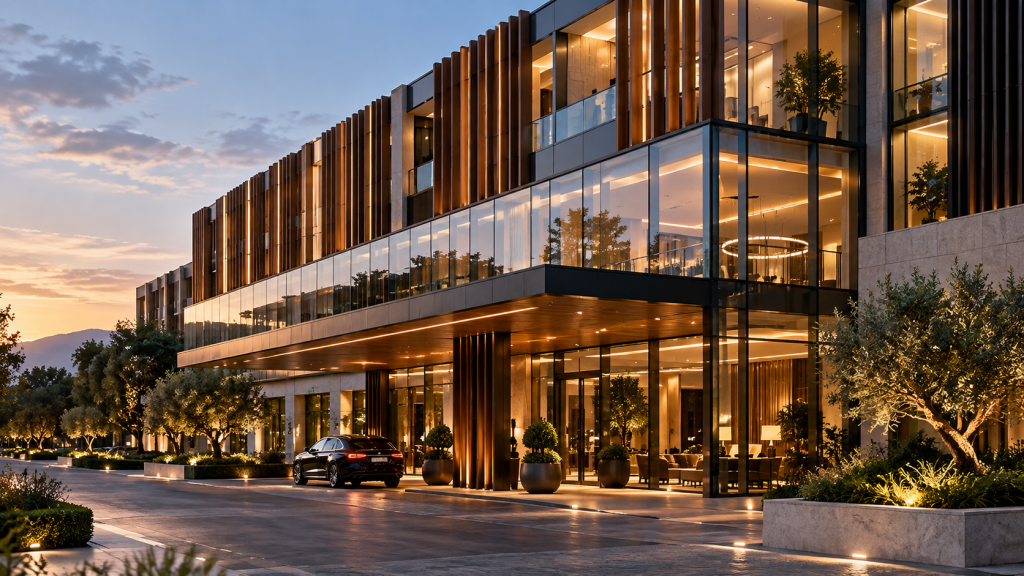
HoReCa
Turnkey Engineering Infrastructure
Background and Objectives
Compass Engineering designed and integrated the key engineering systems of a modern hotel facility, combining power supply, automation, security, and telecommunications into a single infrastructure.
The primary objective of the project was to combine guest comfort with technological capabilities of the building.
A contemporary hotel should provide not only comfortable accommodation but also consistent service quality, efficient use of resources, and reliable operation of all engineering systems.
The hotel facility in the historic center of Lviv focused on integrating diverse equipment, automating routine processes, and enabling centralized infrastructure management.
Engineering Infrastructure Architecture
The solution was based on a centralized Building Management System (BMS) coordinating the operation of the engineering subsystems.
Power Supply and Automation
The project included the implementation of a flexible power supply system and automated control of electricity consumption.
Climate control and lighting systems can function according to predefined scenarios, taking into account the time of day and actual use of the premises. It creates the conditions for efficient resource utilization without compromising guest comfort.
Personalized Climate and Lighting
Hotel rooms are equipped with individual temperature, lighting, and window shading controls.
These functions can be managed via a mobile app or interactive control panels. Engineering system operating scenarios can be adapted to guests’ needs and the room’s usage patterns.
Security and Access Control
The comprehensive solution included video surveillance and access control systems. Electronic keys and automated security tools complement the hotel’s engineering infrastructure and enhancesecurity.
Telecommunications Infrastructure
High-speed Wi-Fi provides guests with access to digital services and supports the operation of integrated technological solutions in guest rooms and other premises.
30% reduction in electricity costs
Automated resource management resulted in more efficient electricity consumption.
25% reduction in operating costs
The automation of engineering and service processes reduced the costs of maintaining the hotel facility.
Three times faster response to technical requests
The integration of the BMS with hotel services allowed staff to resolve technical issues faster, reducing the response time threefold.
70% of regular guests noted improved service
Personalized climate and lighting settings had a positive impact on regular guests’ perception of comfort.
Further Development
The designed infrastructure provides opportunities for further functional expansion and the integration of new technologies.
Promising areas include the integration of voice assistants, smart devices, and additional digital guest services, as well as the development of automated resource management scenarios.
The modular approach to the engineering architecture provides a foundation for adapting the hotel facility to new technological requirements without the need to completely rebuild the existing infrastructure.
Conclusions
Compass Engineering implemented comprehensive engineering infrastructure for the hotel facility in Lviv, integrating power supply, automation, security systems, and telecommunications.
The integration of engineering systems with centralized BMS management enhanced guest comfort, optimized operating costs, and created the technological foundation for the further development of hotel services.